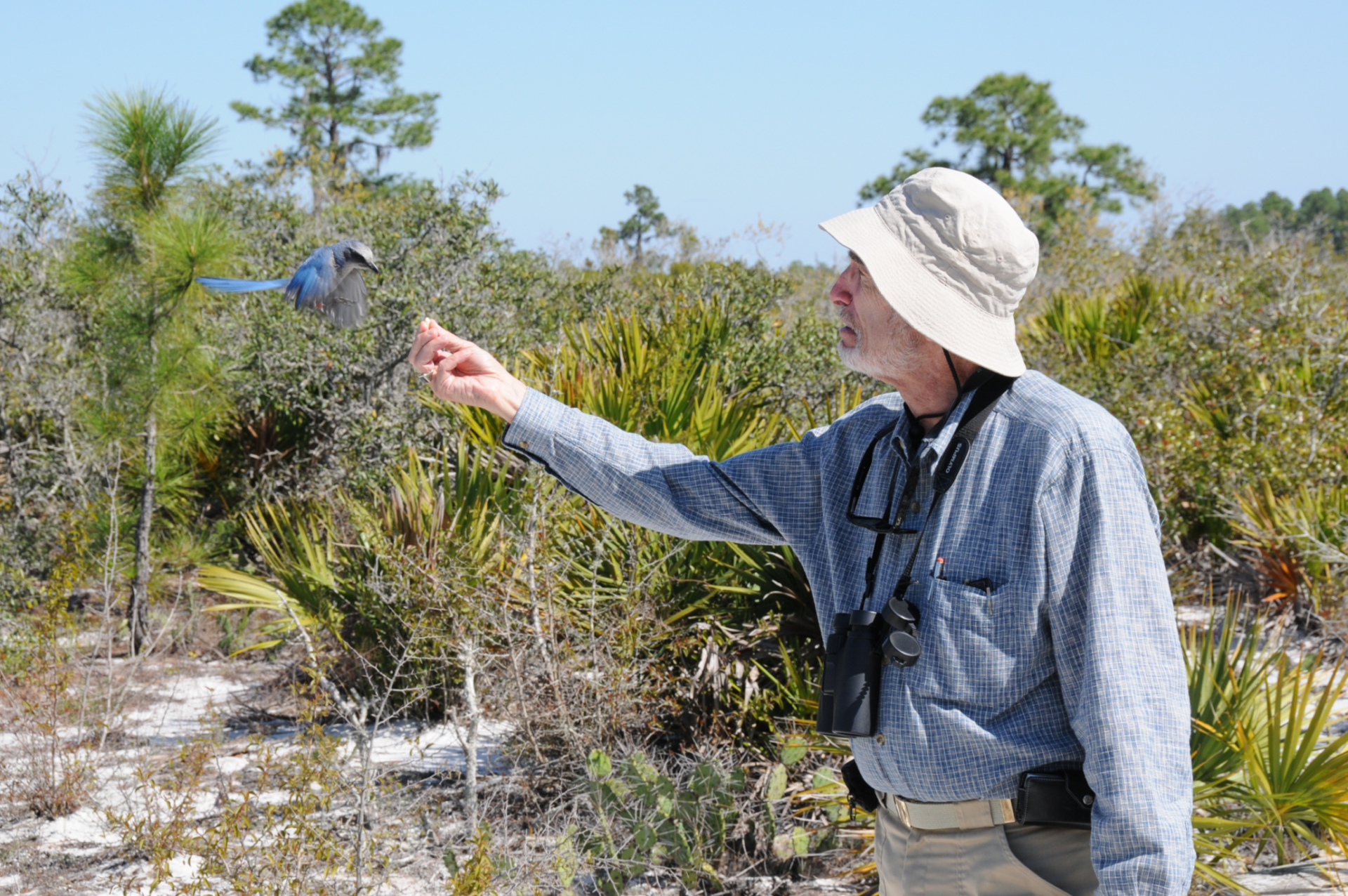

Four fascinating forest facts
Forests are some of the most important ecosystems on Earth, playing a vital role in sustaining millions of species, including humans. Unfortunately, forests are also incredibly threatened by human activity.…
Read More

We’re hosting an official side event for the UN Commission on Population and Development, fifty-nineth session. This year’s theme is “Population, technology and research in the context of sustainable development.”
Demographic, health, and geospatial environmental research has stalled due to devastating funding cuts. As a result, there is a deficit of current, high-quality data, thwarting efforts to address pressing sustainable development challenges, all of which are exacerbated by population growth.
Filling knowledge gaps among policymakers and journalists is crucial to building support for funding demographic and contraceptive research and technological developments. Education on demographic data, trends, and dynamics, and on barriers to contraceptive use, is imperative to achieve progress on these issues, which are intimately intertwined with the UN’s Sustainable Development Goals. Author, former journalist, and current Population Connection board member Robert Engelman will explore this topic during an interactive discussion.
Earth Day Presentation with John SeagerIt’s been 10 years since our co-publication, The Good Crisis: How Population Stabilization Can Foster a Healthy U.S. Economy. A decade later, we’re still making the same argument: lower fertility rates are good for the health and well-being of people and the planet.
Join Population Connection President and CEO, John Seager, as he unpacks how the demographic changes now underway represent an extraordinary opportunity for us to focus on creating a greater, rather than larger, society. Lower fertility rates can help solve some of our most intractable problems, avert some of the worst climate catastrophes, and create opportunities for those who are often left out of our economy.
During the event, John will unpack the challenge of The Good Crisis—keeping our aging population healthy, productive, and prepared for today’s technologically-focused jobs. At the same time, today’s youth must be prepared for productive futures through education, skills training, and delayed parenthood enabled by improved family planning services.
Contact the Membership Relations Team at engage@popconnect.org to request a hard copy of The Good Crisis, while supplies last!
Humans are one of the most extreme examples of life transforming Earth. Through fossil fuel consumption, agriculture, and pollution, we have altered more layers of the planet in less time than any other species, pushing Earth into a crisis. But we are also uniquely able to understand and protect the planet’s wondrous ecology and self-stabilizing processes. Jabr introduces us to a diverse cast of fascinating people who have devoted themselves to this vital work.
You don’t have to be a demographer to understand the fundamentals of human population growth. In fact, everyone must come to understand these issues if we’re going to ensure a positive quality of life for generations to come.
Read more on our FAQ page!We’ve dedicated a page to dispel some of the most common myths and misconceptions regarding our work advocating for reproductive rights and stabilizing global population growth.
Learn more about common misconceptions here!Our quarterly magazine is America’s voice for population stabilization. Consisting of impactful articles, relevant statistics, and testimonies from our members, our magazine is sure to be an insightful read!
Our magazine archive is available here!